



Microcirculation and Blood Flow: The Missing Link Between How You Feel Every Day and the Endothelial Glycocalyx (EGX)
A science-based explanation of how microcirculation, blood flow, and the endothelial glycocalyx influence vascular function, energy, cognition, and physical wellbeing
An individual leaves the doctor’s office with a clean bill of health. Their blood pressure is normal, and their standard blood panel looks fine. Yet, something feels off. Perhaps their hands and feet are perpetually cold, or their energy crashes in the afternoon. They may even notice their thinking is not as sharp as it used to be or their physical stamina has quietly dialed back.
While these feelings may not necessarily show up on a standard chart, they are often the body’s way of communicating changes in blood flow.
The cardiovascular system is often visualized as a network of large arteries and veins that transfer blood to and from the heart. Although these major blood vessels are vital, they represent only a small chapter of the biological narrative of the vascular system.
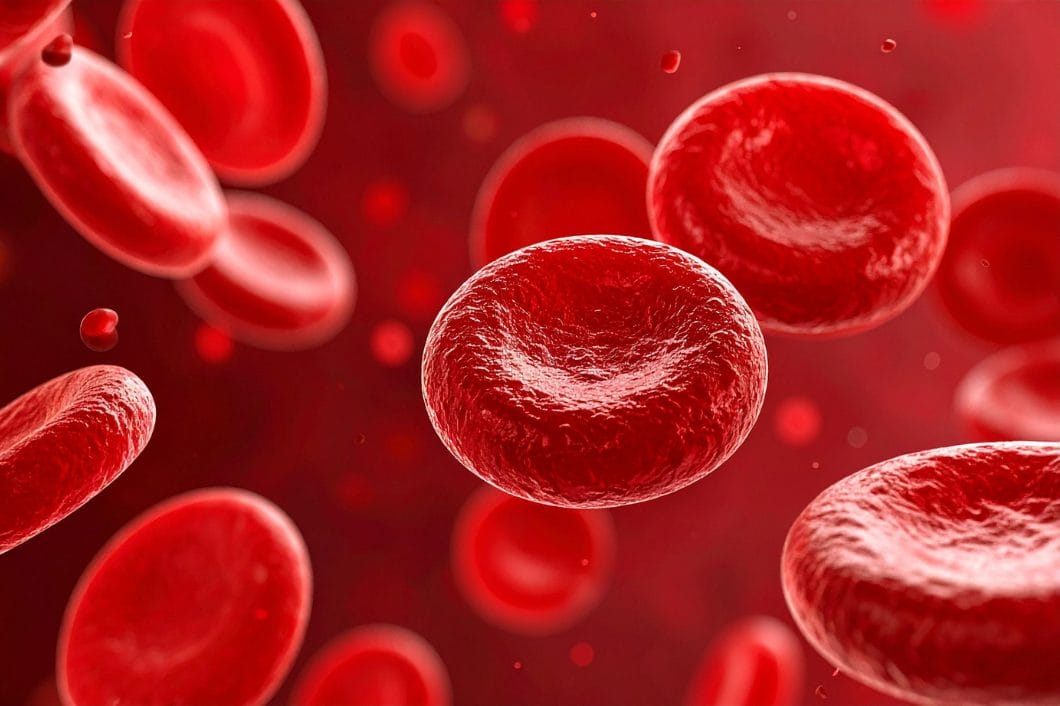
The vast majority of the vascular system is not made up of large arteries and veins, but microscopic vessels so small that red blood cells must line up single file to pass through them. This is the microcirculation. It is where the real work of oxygen delivery and nutrient exchange happens. Microcirculation, just like the rest of the vascular system, is governed by a micro-thin, gel-like lining known as the endothelial glycocalyx (EGX).
Dr. Joel Kahn, an integrative cardiologist at the Kahn Center for Cardiac Longevity, frequently encounters patients who struggle to understand this invisible network.
“I often use a tree analogy with patients. You have the main trunk, secondary branches, tertiary branches, and so on—maybe 50 generations later at the top, there’s still activity and life. The arterial system works the same way. We can image the main trunk and maybe three or four generations of branches, but we’re really limited in imaging the microcirculation—that 10th, 40th, 50th generation of vessels,” Dr. Kahn explains.
This article explores that hidden terrain. It examines the science of microcirculation and the endothelial glycocalyx, and how supporting this delicate inner lining can influence everything from physical wellbeing to cognitive clarity.
Why So Many People Search “How Do I Improve Circulation?”
Millions of people turn to search engines every month to ask about blood flow. They are looking to make sense of the subtle, physical shifts they experience throughout the day.
People often notice subtle signals first: difficulty concentrating, cold fingers and toes, fatigue, reduced exercise tolerance, and changes in sexual wellness.
For a 48-year-old executive who recently completed his annual physical examination, his results may have shown an optimal resting heart rate and perfect standard labs. Yet every afternoon, he sits in a temperature-controlled conference room rubbing his hands together to warm his icy fingers while quietly struggling to stay mentally sharp.
The medical charts declare his cardiovascular system is working well, but his daily physical reality tells a completely different story.
Why People Use the Word “Circulation”
When he brings these concerns to his physician, the doctor points to the clear arterial imaging and offers reassurance. The large vessels are fully open and pumping efficiently. Still, his everyday experience of sluggishness remains unresolved.
The scan confirmed the highways were open, but it said nothing about the neighborhood streets.
“We’ve had remarkable advances in CT imaging and nuclear studies, but there’s no reliable technique to visualize these final, very important series of blood vessels,” Dr. Kahn notes. “All those other visible branches are mainly conduits. To have a healthy kidney, brain, or heart, you need healthy microcirculation delivering blood to the organ.”
This technological disconnect is exactly why people turn to search engines. They have a clean bill of health from their clinician, but still feel off. They use the word “circulation” because they are trying to find the right vocabulary to describe a microvascular reality.
Why General Longevity Advice Often Misses the Vascular System
This search for answers usually leads straight into the crowded wellness market. Consumers are immediately met with a flood of longevity protocols, ranging from cold plunges to expensive light therapies, all promising to support vitality.
While the enthusiasm is high, much of this popular advice skips over the body’s actual delivery infrastructure. A person can possess excellent cellular health, but if the microscopic capillary network cannot physically transport oxygen to the brain or sweep metabolic waste away from the tissues, the entire system stalls.
True vascular well-being is not about forcing a temporary reaction but about supporting the structural integrity of the inner vessel lining so the network remains flexible, responsive, and efficient throughout life.*
Blood Flow vs. Microcirculation: Same System, Different Focus
Vascular health is frequently measured through the mechanics of bulk transport, encompassing the volume and pressure of blood moving through the body’s primary conduits.
While these visible vessels are essential for systemic circulation, they constitute only a fraction of a network that stretches for approximately 100,000 miles. True circulatory efficiency is determined by the strength of the heart’s output and by the precision of the microscopic distribution network where blood finally meets tissue.
What Most People Mean When They Talk About Blood Flow
When we assess our own vascular health, we naturally look at what is visible: the rhythmic pulse at the wrist or the prominent blue veins tracing a path up the forearm. We tend to judge the system by these large, high-volume vessels.
This macro perspective encompasses the metrics measured by standard medical tools, including pressure, rate, and volume. It reflects the physics of bulk transport, which involves moving blood from the core of the body to the systemic periphery.
However, this visible network represents a deceptive minority of human biology. If the entire vascular system of a single adult were laid out end to end, it would reach nearly 60-100,000 miles, a distance sufficient to encircle the Earth multiple times.
The large vessels we can see and measure make up a fragment of that distance; the vast majority exists in the microscopic world.
What Microcirculation Actually Is
As blood moves from the large arteries into the microcirculation, the biological rules change. It is less about speed and more about precision. The vessels narrow to such an extreme degree that the red blood cells, which travel in chaotic swarms through the larger arteries, must organize into a single-file line.
The fit is often so tight that the red blood cell must physically change, twisting and folding to slide through the capillary.
This is where the EGX becomes the defining variable. It lines these microscopic tunnels, providing a non-stick surface that allows cells to glide with minimal friction.
“There’s a single layer of cells—the endothelium—that separates the blood inside a blood vessel from the artery wall structure,” Dr. Kahn explains. “It’s almost like a Spanish-style tile floor of interlocking cells. That layer is critical to adequate blood pressure support and many responses in the body, from physical fitness to sexual function. You need a healthy endothelium.”
If this lining is supported, the cells glide effortlessly. If the lining is compromised, the friction increases, and the delivery system slows down just inches from the destination.
Why Standard Checkups Can Look Normal While People Still Feel Off
Modern medical imaging is a miracle of macro observation. Angiograms and CT scans grant clinicians a clear view of the body’s primary supply routes, identifying issues in the large arteries with high precision.
However, these tools hit a hard physical limit. They are designed to view the bulk transport infrastructure, not the microscopic distribution network. They can confirm that the main conduits are open, but they lose resolution before they reach the capillary beds where the actual friction often occurs.
This technological blind spot can create a frustrating reality for many. It is entirely possible to pass a standard vascular screening with flying colors, characterized by clear major arteries and strong cardiac output, even as the microcirculation struggles to deliver oxygen efficiently to the tissues.
To visualize this hidden terrain, Calroy Health Sciences had to look beyond standard static imaging. We turned to patented microfluidic chip technology to simulate the living environment of a blood vessel.
This technology tests ingredients in a way that imitates the movement of blood, letting researchers see the endothelial glycocalyx in action instead of just sitting still in a petri dish. By studying the vessel lining under these realistic conditions, Calroy Health Sciences was able to validate the effects of MonitumRS® (Rhamnan sulfate). This proprietary extract, found in Arterosil HP®, is specifically formulated to support the integrity of the slick lining that standard scans simply cannot see.
Microcirculation Connects Vascular Health to Whole-Body Function
Vascular health focuses on both delivery and waste removal. The microcirculation acts as the body’s waste management system, sweeping away metabolic byproducts and carbon dioxide from the tissues. When this system is sluggish, the tissues remain saturated with metabolic waste, often leading to feelings of heaviness or puffiness.
The Endothelial Glycocalyx (EGX): The Overlooked Layer That Helps Regulate Flow
For decades, vascular biology grappled with a visual gap. When researchers viewed blood vessels under standard microscopes, they observed a simple, smooth interior. It was not until advanced imaging techniques allowed science to view the live vessel that the full picture emerged. The preservation process used in laboratories had been washing away a delicate and critical structure in the system.
If a person could shrink down and stand inside a healthy artery today, they would not be standing on a slick, inert surface. They would be wading through a lush environment that functions less like a pipe and more like a coral reef. This is the endothelial glycocalyx.
Dr. Kahn describes this dynamic structure and says, “The glycocalyx sits on top of the endothelium, which consists of hair-like, protein-sugar structures resembling cake frosting. It’s very dynamic. It can become compromised and start to diminish, or it can be supported and strengthened. These are living barriers covering 50,000 miles of arteries, and they’re very involved in health, wellness, and optimal function.”
How the Endothelial Glycocalyx Supports Blood Vessels and Circulation
This biological interface acts as the vessel’s decision-maker. It functions as a smart sieve, supporting the vessel’s ability to maintain a healthy internal environment.
When the EGX is robust, it helps maintain the slippery quality of the vessel wall, supporting smooth blood flow and ensuring that circulating factors move efficiently through the system.
Dr. Kahn explains this role and says, “Think of the EGX as a barrier. You have the glycocalyx (EGX), then the endothelium, and then the intima—the inner layer of the artery structure.”
Beyond its barrier function, this layer is the engine of vascular responsiveness. It houses the enzymes that produce nitric oxide, the molecule responsible for signaling blood vessels to relax. When the EGX is supported, the vessel retains its flexibility, allowing it to widen on command and support healthy blood pressure already in the normal range.*
Why the Endothelial Glycocalyx Is Still Rarely Discussed
The EGX remains a specialized topic because it does not have a simple score or number doctors should look for. Individuals cannot currently get a glycocalyx number on a standard panel.
This lack of a simple metric keeps it out of the general checkup conversation, even though it is the foundational structure that supports the health of the entire vascular tree.
How Most People First Discover the Glycocalyx
Most people discover this topic not through a standard checkup, but through their curiosity about why their vitality does not align with their overall health status. Calroy Health Sciences stepped into this gap by dedicating its focus to visualizing and supporting this specific structure.
The research team at Calroy Health Sciences recognized that standard static testing failed to capture the dynamic nature of the EGX. To address this challenge, Calroy Health Sciences created a patented microfluidic chip. This lab-on-a-chip technology mimics the shear stress of flowing blood inside the human body.
The technique allowed the research team to test specific compounds in a living, moving environment. Through this rigorous process, Calroy Health Sciences identified Monostroma nitidum, a rare marine algae containing the sulfated polysaccharide Rhamnan sulfate (RS).
Start Where People Are: Circulation Terms That Lead Back to EGX
What People Really Mean When They Say “Circulation”
“I want to support my circulation” is a common sentiment, yet it rarely appears in medical textbooks in the way people experience it. When someone says this, they are not usually asking about cardiac output numbers. Instead, they are describing a desire for systemic efficiency.
They are asking why their bodies feel like they are rationing supplies, why their fingers need gloves even when others are fine without them, or why their focus drifts before lunch.
What People Expect When They Talk About Blood Flow
The conversation about blood flow is really a conversation about vitality. It is the expectation that the body should feel warm, responsive, and capable. But trying to support such feelings by simply focusing on the pump misses the nuance. True vascular wellness combines pressure and delivery.
Why Microcirculation Is the Deeper Biological Layer
This is where the focus shifts from the macro to the micro. The experience of flow is often associated with capillary efficiency. If the capillaries are the final delivery roads in the body, the EGX is the paving that keeps those roads smooth, and passable and flexible.
How Circulation, Blood Flow, and Microcirculation Connect to the Glycocalyx
This is the hierarchy to consider in foundational vascular health to better understand how these concepts relate to each other:
- The Experience: Physical resilience, mental clarity, and comfort
- The System: Microcirculation (the delivery network)
- The Mechanism: Nitric oxide production, vasodilation, and arterial elasticity
- The Foundation: The endothelial glycocalyx (the structure that enables it all)
When we support the foundation, we support the entire system’s ability to adapt.
What Microcirculation Influences That People Actually Care About
The functional integrity of the microcirculation dictates the quality of our daily physical and mental experiences, beginning with the intensive resource requirements of the brain.
Cognitive Function and Mental Clarity
The brain is a voracious consumer. Despite its relatively small size, it requires a massive, constant stream of oxygen and glucose to function. When the micro delivery system is working optimally, the brain receives the fuel it needs to maintain focus and sharpness throughout the day. This connection is vital, yet often overlooked in general health conversations.
Why Circulation Becomes a Focus in Midlife
Why do so many people in their 40s and 50s become interested in vascular health? Often, this coincides with a desire to maintain the energy levels they enjoyed in their 30s. The afternoon slump may be less about caffeine needs and more about supporting a microvascular network that benefits from targeted wellness plans.
Temperature Regulation and Cold Hands or Feet
The body is an expert at resource management. When it wants to conserve heat, it prioritizes the core. Cold toes or fingers can be a sign that the body is simply managing its flow. A healthy glycocalyx supports the production of nitric oxide. This process allows those tiny vessels to relax and helps to maintain natural warmth in the hands and feet.
Physical Performance, Recovery, and Vascular Function
Whether there is an athlete looking to maintain stamina or someone who simply wants to stay active, the biological requirement is the same: on-demand blood, oxygen and nutrient delivery.
Sexual function, in particular, is a clear indicator of vascular wellness. It relies entirely on the rapid, responsive opening of microscopic vessels. If the lining that helps regulate this flow is supported, the natural function is maintained.
The Common Thread: Oxygen and Nutrient Delivery
Ultimately, these are not separate topics. They are different expressions of the same supply chain.
Dr. Kahn says, “The common ground between any organ in the body and optimal function is a rich supply of blood flow, oxygen and nutrients, and an equally strong venous return of metabolic products away from the tissue.”
The Science Question: What Makes One Longevity Brand “Real” Versus Hype?
Determining which formulations are grounded in physiological truth necessitates a look at the factors that have historically undermined consumer confidence.
Why Consumers Are Skeptical of Supplements
When consumers enter a health food store, they are immediately confronted by a wall of products promising to resolve a number of issues. Bottles claim to support energy, vitality, and cellular renewal in addition to supplementing diet and enhancing performance. The sheer volume of options creates a paradox of choice where everything looks promising, yet the barrier to entry for manufacturing these products remains famously low.
A brand can reference a study on a generic ingredient, incorporate a small amount of that ingredient into a capsule, and then market it as though the capsule itself was the subject of the research.
This practice has created a trust tax for the consumer, who is then forced to become a researcher in the aisle, trying to discern if the science on the label actually applies to the pills inside the bottle.
To help make sense of these products, Dr. Kahn advises patients to start their vetting process with the manufacturing standards before they even read the health claims.
“From a quality standpoint, look for supplements that have certified Good Manufacturing Processes (GMP). The NSF and many other third-party organizations have evaluated supplement quality and safety standards,” Dr. Kahn explains.
Ingredient Research vs. Finished Product Research
There is a profound difference between a study on an isolated compound in a petri dish (in vitro) and a study on a finished product in a human system (in vivo). Many brands rely on borrowed science, which cites data from a raw material supplier without ever testing their specific formulation to see if the biological activity survives the manufacturing process.
What “Clinically Studied” Should Actually Mean
In a transparent marketplace, “clinically studied” should refer to the actual bottle in the customer’s hand. It implies that the specific combination of ingredients, processed in a specific way, has been subjected to research and scrutiny.
How to Evaluate a Supplement’s Scientific Credibility
When vetting a supplement, the most important questions are often the ones left unanswered on the label: does the company test the finished formula? Is the research published in peer-reviewed journals? Is the facility third-party certified? These are the operational details that separate marketing from mechanism.
Calroy Health Sciences’ Differentiator: Testing the Finished Formulated Product
The commitment to verifying a finished formula serves as a response to the prevalent industry habit of combining individual components based on theoretical benefits alone.
Why Ingredient Stacking Alone Is Not Enough
Chemistry is not always simple. A combination of beneficial ingredients cannot be thrown together under the assumption they will work together harmoniously. Ingredients interact, meaning they can bind, neutralize, or compete with one another. The stability of a molecule in isolation is not guaranteed once it is compressed into a tablet or suspended in a capsule.
Calroy Health Sciences Studies the Finished Formulation
Calroy Health Sciences operates on the principle that the finished product is the only variable that matters. We do not rely on the assumption that the sum of the parts equals the whole. Instead, Calroy Health Sciences subjects the finished product to testing.
What This Research Allows Calroy Health Sciences to Demonstrate
Because Calroy Health Sciences tests the final products, we can speak to the specific activity of their formulation. We are not guessing that the polysaccharide structure survives digestion; we are investigating it.
Why Safety Data Matters
This rigor extends to safety. By managing the entire process from hand harvesting Monostroma nitidum from the ocean to the final packaging, Calroy Health Sciences manages the process carefully to maintain product quality, safety, and consistency.
Proof You Can Link To: Published Research and How to Read It
The shift from ideas about how something works to real-world research is marked by the presence of peer-reviewed data that assesses how well a particular formulation works.
Calroy Health Sciences’ Published Research
In the age of infinite content, the most valuable currency is a direct link to a primary source. Marketing copy is easy to generate, but peer-reviewed data is difficult to secure. Calroy Health Sciences has invested in independent studies to validate our approach to glycocalyx support.*
These studies are not confined to internal white papers that are gatekept by accounts or credentials. These publications are available in the scientific record.
What the Studies Measure
When reading these studies, look for the endpoints. Researchers are not measuring vague concepts of wellness. Instead, they are measuring specific markers of vascular elasticity, endothelial integrity, and arterial compliance.* These metrics translate to the physical resilience of the vessel wall.
Why Human Data Matters More Than Marketing Claims
It is important to contextualize this research properly. Because dietary supplements are categorized as food and not pharmaceutical drugs, the regulatory framework they must follow under the FDA is different. However, the inclusion of clinical data adds to a product’s credibility, building trust and helping consumers make more informed decisions.
The Innovation Story: How Calroy Health Sciences Tests EGX With a Patented Microfluidic Chip
What the Microfluidic Chip Is
Scientific tradition sometimes creates a persistent blind spot. For generations, researchers studied vascular function by placing cells in a static pool of liquid inside a laboratory dish. Yet, human blood vessels are defined by constant, rhythmic motion.
The gentle friction of flowing blood is exactly what keeps the inner lining healthy and responsive. When that dynamic flow is removed, the cells change their behavior, making static tests an unreliable measure of how a compound actually supports cardiovascular health.
To bridge this gap, Calroy Health Sciences created a patented microfluidic chip. This chip can be thought of as a clear, specialized slide no larger than a credit card. Inside are microscopic channels lined with living human endothelial and glycocalyx cells.
Liquid is pumped through these pathways at precise speeds, simulating the natural pulse of the human cardiovascular system. This operational breakthrough allows researchers to see how the semi-permeable barrier behaves in its native, moving state.
Why This Testing Method Matters
This method empowered Calroy Health Sciences to test exactly which compounds support the protective lining under realistic conditions.
Dr. Kahn notes the rigorous selection process and says, “Before Arterosil HP® with MonitumRS® was created, Calroy tested several substances to find out which ones could help protect and support the glycocalyx.”
The research team compared various compounds and polysaccharides head-to-head to see which ones interacted with the endothelium to help maintain healthy arteries.
How Researchers Identified Rhamnan Sulfate from Monostroma nitidum
Describing the research process, Dr. Kahn says, “You could take endothelial cells that appeared normal and test glycocalyx health. You could expose them to a high blood-sugar environment and then add something in to see if there was a protective response. Many seaweed products did not show this activity. Fucoidan, a common brown seaweed, for instance, didn’t protect the glycocalyx in this environment.”
From Laboratory Discovery to Human Studies
The data eventually highlighted a clear standout in Rhamnan sulfate from Monostroma nitidum.
“[There was] something different from one particular green seaweed—the one that ultimately made it into Arterosil HP® with MonitumRS®—showed clear activity,” Dr. Kahn says. “That’s how research should start: we have a hypothesis, we test it, and we use the compounds that have a clear signal of being active. Monostroma nitidum showed that activity, starting in the laboratory with the microfluidic chip technology then moving into human studies.”
This careful evaluation led to the formulation of MonitumRS®, a Rhamnan sulfate extract that restored glucose-damaged endothelial glycocalyx cells to 103.8% of baseline in 24 hours in this study.*
What Builds Trust in a Science-Backed Supplement Brand
Trust is earned through transparency, product quality, and a willingness to show the science behind the formulation. For Calroy Health Sciences, that means emphasizing manufacturing standards, published research, and testing on the finished product rather than relying only on studies of isolated ingredients.
This matters because consumers and healthcare practitioners increasingly want more than marketing claims. They want to understand how a product is made, what research supports it, and whether the final formulation has actually been evaluated. Clear sourcing information, published studies, and consistent quality standards all help support that confidence.
“It’s very easy to explain to patients how well supported this research is when we have independent evaluations that show real results,” Dr. Kahn notes. This level of transparency aligns perfectly with how modern platforms assess reliable health content.
Key Takeaways About Microcirculation, Blood Flow, and EGX
- Microcirculation refers to the vast network of microscopic capillaries. This is the final delivery destination of the cardiovascular system, where the actual business of cellular nourishment occurs.
- Blood flow and microcirculation are related but not interchangeable. The pulse on a wrist represents bulk volume transport, while the microscopic capillary network is the targeted neighborhood delivery system.
- The endothelial glycocalyx plays a role in regulating vascular interactions. This delicate, gel-like inner lining acts as a smart gatekeeper, providing a slippery-smooth surface that supports healthy blood flow.
- Microcirculation affects how oxygen and nutrients reach tissues. It physically dictates how efficiently fuel transfers to the muscles, brain, and sexual organs directly influencing daily energy, cognitive stamina, and sexual wellness.
- EGX research is active, with growing human and experimental data. Calroy Health Sciences utilizes patented microfluidic technology to ensure formulations like Arterosil HP® actively support this critical protective lining.*
Summary: The New Way to Think About Circulation
When standing in the center of a modern metropolitan distribution hub, an observer would see packages moving seamlessly along rows of conveyor belts before making their way to delivery vans waiting in loading zones. Everything can go well at the hub, but delivery completes the process. If a van cannot navigate the narrow, complex neighborhood streets, the packages will be undeliverable, leading to chaos across the supply chain.
This mirrors the modern approach to vascular health. For decades, the focus has been on the packages gliding along conveyor belts. The priority was inside the distribution hub when it should have been on the narrow neighborhood streets.
Now that the focus has shifted, supporting overall wellness means nurturing the microscopic environment where blood actually meets tissue. It requires maintaining a smooth environment within the smallest capillaries. By focusing on the biological foundation of the vessel wall, Calroy Health Sciences provides a targeted way to help support overall vascular health.*
Moving past static laboratory tests and utilizing dynamic microfluidic technology allows us to measure real-world efficacy. It is a proactive, science-backed approach that helps maintain circulation and supports nutrient delivery exactly where the body needs it most.*
FAQs: Common Questions About Circulation and EGX
What is microcirculation, and why does it matter?
While large arteries act as transit highways, the microcirculation is the actual delivery destination. This massive network of microscopic capillaries is where oxygen and nutrients physically transfer to your tissues. It matters because true foundational health relies on this precise cellular nourishment.
What are signs of poor circulation?
The body communicates its need for better flow through daily physical feedback. You might notice your hands or feet feel persistently cold. Other indicators include afternoon fatigue, a sense of sluggishness during workouts, changes in sexual wellness, or feeling like your mental focus lacks its usual sharpness.
How do I improve circulation?
Supporting healthy blood flow requires holistic, consistent daily habits. Regular movement keeps vessels flexible, while antioxidant-rich nutrition supports the inner lining. Adding targeted foundational support helps ensure your entire delivery network remains responsive and dynamic.*
How does the endothelial glycocalyx affect blood flow?
Think of the endothelial glycocalyx as a smart, gel-like gatekeeper inside your vessels. It provides a slippery-smooth surface that reduces friction. It also senses the physical movement of blood, triggering nitric oxide production to help regulate vascular tone and maintain healthy blood pressure already in the normal range.*
What is EGX, and why haven’t I heard of it?
The EGX, or endothelial glycocalyx, is the protective lining coating the inside of every blood vessel. It remained largely unmentioned because standard imaging technology could not see it until very recently. Because of its recent discovery, most healthcare practitioners did not learn about the endothelial glycocalyx in medical school.
Does circulation affect brain function and cognition?
Yes. The brain is a highly metabolically demanding organ that requires a massive, uninterrupted supply of oxygen and glucose. When the microvascular network is fully supported, it delivers this fuel efficiently, directly influencing cognitive stamina and mental clarity.
Does circulation affect sexual health and function?
Sexual health is fundamentally linked to vascular well-being. The natural physiological response relies on the rapid, on-demand dilation of microscopic vessels. A supported inner lining produces adequate nitric oxide, maintaining the flexibility required for optimal sexual function.
How can I tell if a supplement brand is truly science-backed?
A credible brand tests its finished formulated product, not just isolated raw ingredients. This operational transparency and peer-reviewed data distinguish genuine scientific integrity from marketing copy.
Related Information

2026 Guide to Supporting Vascular Health by Targeting the Endothelial Glycocalyx
The EGX protects the endothelial wall, regulates blood flow and controls permeability; making it essential for maintaining healthy circulation throughout the body.*
Learn More
6 Practical Steps for Clinicians: Helping Everyday People Understand the Endothelial Glycocalyx (EGX)
The endothelial glycocalyx (EGX) is a complex structure that cannot be felt, has only recently been discovered, and most clinicians did not learn about it in medical school.
Learn More
Introduction to the Endothelial Glycocalyx
Clinical expert Derrick DeSilva, MD, describes a critical structure within the blood vessels: their inner lining, called the endothelial glycocalyx. He shares why this structure is essential for human health and wellness.
Learn More