



How Joints Work, Why Cartilage Matters, and What Causes Discomfort
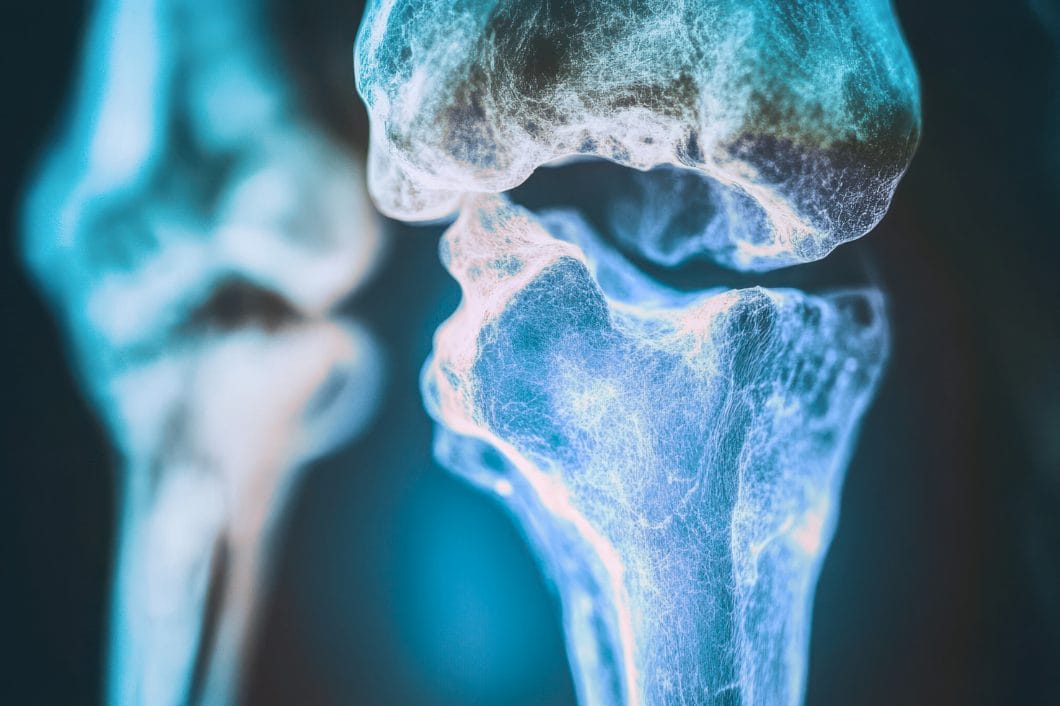
Key Takeaways
- Cartilage cushions joints and regenerates slowly due to its lack of direct blood supply.
- Joint discomfort typically results from a combination of loading, tissue changes, and inadequate recovery.
- Sedentary behavior is more likely to cause joint issues than overuse—regular movement is essential.
- Adults have over 300 joints in the body, and cartilage is approximately 75% water.
- Supporting joint health requires consistent movement, adequate hydration, and proper nutrition.
Joints are the connection points between bones that allow the body to move, absorb force, and remain stable during daily activities and exercise. Whether walking, lifting, reaching, or training, healthy joints rely on multiple tissues working together to manage mechanical stress and enable smooth, comfortable motion.
At the center of this system is cartilage. Cartilage cushions the ends of bones, reduces friction during movement, and helps distribute load across the joint. When cartilage is healthy, joints move efficiently and comfortably. When it becomes slow to recover, joint mechanics can change, often contributing to stiffness or discomfort over time.
Joint discomfort rarely has a single cause. Instead, it typically develops from a combination of normal daily loading, tissue changes over time, and inadequate recovery. In many cases, cartilage is the tissue most directly affected.
This guide explains:
- How joints work from an anatomical and functional perspective
- Why cartilage plays a critical role in joint comfort and mobility
- What commonly contributes to joint discomfort
- Practical strategies to support long-term joint comfort and resilience in daily life
What is the anatomy of joints and how do they work?
A joint is the point where two or more bones meet, allowing movement, stability, or both. Healthy joints rely on aligned structures that share, cushion, and control forces through every stride, lift, and reach. These structures work together to reduce friction, absorb impact, and maintain smooth motion.
Core Structures of a Joint
There are many components required for a fully healthy and functioning joint. Thinking about the core structures, there are 5 to highlight.
Bones
Bones form the structural framework of a joint. At joint surfaces, the ends of bones are shaped to fit together and are covered with cartilage to allow low-friction movement.
Articular Cartilage
Articular cartilage is the type of cartilage found on the ends of the bones that create a meeting point of a joint. In order to be classified as articular cartilage, it must exist in a joint that allows movement on at least one axis. Joints with articular cartilage include the knees, hips, shoulders, elbows, and more. Articular cartilage is a smooth, resilient tissue that:
- Reduces friction during movement
- Absorbs and distributes mechanical load
- Protects underlying bone from wear
Unlike most tissues in the body, articular cartilage has no direct blood supply, which means it heals and regenerates very slowly. That’s why protecting cartilage and keeping it healthy is so important. Without direct blood supply, the cartilage in joints relies heavily on microcirculation to the synovial fluid that cushions joints to function.
Synovial Membrane and Synovial Fluid
Synovial fluid surrounds both the bones and the cartilage of most movable joints. It is a slippery, nutrient-rich substance produced by the synovial membrane. Synovial fluid:
- Lubricates cartilage surfaces
- Delivers nutrients to cartilage
- Removes metabolic waste
Ligaments
Ligaments connect bone to bone, helping stabilize the joint and guide movement within safe ranges.
Tendons
Tendons connect muscle to bone and transmit force generated by muscles to create movement at the joint.
How does cartilage support joint comfort?
Cartilage is central to joint comfort because it cushions load, minimizes friction, and protects underlying bone during repetitive movement. Articular cartilage contains a specialized matrix made of collagen fibers and proteoglycans.
This matrix allows cartilage to:
- Compress under load
- Distribute forces evenly across the joint
- Support alignment of joints, tendons, and ligaments
- Rebound when load is removed
The ability of cartilage to deform and recover is what allows joints to move smoothly across millions of movement cycles. When cartilage maintains structural integrity, and the ability to recover between loads, joint mechanics become more efficient and surrounding tissues feel flexible and comfortable.
What are common triggers of joint discomfort?
Joint discomfort can originate from multiple structures within the joint, including tendons, ligaments, cartilage, and bone. However, long-term or recurring joint discomfort most often involves cartilage, because cartilage plays a primary role in cushioning joints and managing mechanical stress.
When cartilage is healthy, joint surfaces glide smoothly and load is shared efficiently. Below are three of the most common ways cartilage is negatively impacted.
Natural Cartilage Wear
Like many tissues in the body, cartilage can degrade. With use, cartilage can thin and lose water content. Because cartilage regenerates slowly, these changes may accumulate and increase the likelihood of stiffness or discomfort in load-bearing joints.
Overuse and Repetitive Movement
Repetitive joint movement is part of daily life. Overuse occurs when repeated stress outpaces the joint’s ability to adapt. Athletes, manual workers, and active individuals may notice early signs such as lingering stiffness, localized tenderness, or discomfort appearing earlier during activity.
Lifestyle Factors Unsupportive of Joint Health
Sedentary Behavior: While it might seem counterintuitive, sedentary lifestyles are much more likely to cause joint issues and discomfort than athlete-level overuse. Regular movement or exercise is essential for dissemination of nutrients and other key factors into the synovial fluid, which cartilage health relies on. It’s also important to incorporate daily movement to strengthen the muscles and tissues that support the joint. Most people do not get enough regular physical activity.
Low-level dehydration: Hydration is extremely important for joint health because it helps keep the cartilage matrix flexible, responsive, and healthy. Consistent low-level dehydration can cause cartilage to become brittle and can also reduce the amount of synovial fluid. Without adequate synovial fluid, cartilage does not get the nutrients it needs to function properly.
Inadequate nutrition: Adequate nutrition helps keep your body moving effectively, including your joints. Eating patterns emphasizing foods and beverages high in antioxidants (like pomegranate or berries), polyphenols (like leafy greens and almonds), and omega-3 fatty acids (like salmon and chia seeds) all help ensure that your synovial fluid is providing the right nutrients to help your cartilage repair and function.
Practical Strategies to Support Joint Comfort and Mobility
Movement that suits your body, schedule, and inclinations is essential to whole-body health. The majority of people do not get enough exercise, and changing sedentary behavior by incorporating consistent movement practices has systemic effects as well as protecting your joint health. Whether it’s walking with friends or pets, dancing regularly, weight lifting, swimming, or other activities, consistent weekly and daily movement is a critical baseline step.
Regular movement and healthy joints also require adequate nutrition, which synergistically supports systemic health. A nutrient-dense eating pattern that includes dietary omega-3s and leafy greens supports general tissue health. Proper hydration is also supportive of overall joint health.
For those who already have regular movement incorporated into their lives, supporting joint health is about managing load, maintaining movement quality, and allowing adequate recovery.
Progress gradually
Increase training volume or intensity in small, steady increments. Rotate movement patterns and surfaces to distribute stress, and take rest intervals seriously.
Optimize movement quality
Strength, mobility, and proper technique help joints share load more efficiently. Train for full-body wellness including flexibility, muscle-building, and endurance.
Support recovery
Aim for 7–9 hours of sleep, include rest days, and use lighter sessions to support tissue recovery.
Additional Joint Support Considerations
Supplements backed by human clinical research, such as Cartigenix HP® with RestorCel™, are designed to support joint comfort, mobility, and cartilage regeneration.*†
Frequently Asked Questions
Why is cartilage important for joint function and comfort?
Cartilage acts as the cushion for smooth movement between the bones that make up your joints. When cartilage is strong and healthy, the joints easily support movement and activity, while cushioning so that your bones, tendons, and ligaments remain aligned.
What type of cartilage is in the joints, and is it the same as the cartilage in the ears or nose?
The cartilage in the joints is called articular cartilage.This type of cartilage lines joint surfaces. The type of cartilage in the ears and nose is elastic cartilage, and differs from articular cartilage in both function and structure.
Which activities or exercises are hardest on the joints, and which are more joint-friendly?
High-impact, repetitive activities on hard surfaces create more joint stress; swimming, cycling, and walking are typically easier on joints. For most people, consistent addition of movement improves joint health over time – the majority of Americans would benefit from more exercise that fits with their routine, schedule, and inclinations.
When should I see a doctor about joint health and comfort?
If you experience joint discomfort or are interested in the overall health of your joints, speak to your healthcare practitioner about a joint wellness plan.
What lifestyle changes can support healthy joints?
Evaluate your everyday movement, and evaluate if you are getting enough. Most people are not, so the most important first step for the majority of individuals is to identify what you can do consistently and enjoyably to increase total movement daily and weekly. Supporting your overall health with good nutrition, sleep hygiene strategies, stress management, and the other common factors for overall well-being are also beneficial. Adding supplements like Cartigenix HP with RestorCel can also support joint health and cartilage regeneration.*†
References
Desai A, Anand S, Nair* S, Chorghe P. Assessing the effectiveness and NSAIDs sparing effect of celery seeds and Boswellia serrata in osteoarthritis management. Indian Journal of Orthopaedics Surgery. 2024;10(4). doi:10.18231/j.ijos.2024.052
Desai DA, Shendge DP, Anand DS, Nair DS. Clinical effectiveness and tolerability of Celery seed and Boswellia serrata extract in osteoarthritis. Int J Orthop Sci. 2022;8(2):248-252. doi:10.22271/ortho.2022.v8.i2d.3143
Vaidya N, Agarwal R, Dipankar DG, et al. Efficacy and Safety of Boswellia serrata and Apium graveolens L. Extract Against Knee Osteoarthritis and Cartilage Degeneration: A Randomized, Double-blind, Multicenter, Placebo-Controlled Clinical Trial. Pharm Res. Published online January 28, 2025. doi:10.1007/s11095-025-03818-2
Focsa MA, Florescu S, Gogulescu A. Emerging Strategies in Cartilage Repair and Joint Preservation. Medicina. 2025;61(1):24. doi:10.3390/medicina61010024
Rabade A, Viswanatha GL, Nandakumar K, Kishore A. Evaluation of efficacy and safety of glucosamine sulfate, chondroitin sulfate, and their combination regimen..: a systematic review and meta-analysis. Inflammopharmacology. 2024;32(3):1759-1775. doi:10.1007/s10787-024-01460-9
Hill CL, March LM, Aitken D, et al. Fish oil in knee osteoarthritis: a randomised clinical trial of low dose versus high dose. Annals of the Rheumatic Diseases. 2016;75(1):23-29. doi:10.1136/annrheumdis-2014-207169
Kuszewski JC, Wong RHX, Howe PRC. Fish oil supplementation reduces osteoarthritis-specific pain in older adults with overweight/obesity. Rheumatol Advanc Pract. 2020;4(2):rkaa036. doi:10.1093/rap/rkaa036
García JR, Acuña AJ, Villareal JB, et al. New horizons in cartilage repair: update on treatment trends and outcomes. Journal of Cartilage & Joint Preservation. 2024;4(2). doi:10.1016/j.jcjp.2024.100179
Skou ST, Pedersen BK, Abbott JH, Patterson B, Barton C. Physical Activity and Exercise Therapy Benefit… Journal of Orthopaedic & Sports Physical Therapy. 2018;48(6):439-447. doi:10.2519/jospt.2018.7877
Guermazi A, Niu J, Hayashi D, et al. Prevalence of abnormalities in knees detected by MRI in adults without knee osteoarthritis: population based observational study (Framingham Osteoarthritis Study). BMJ. 2012;345:e5339. doi:10.1136/bmj.e5339
Gomoll AH, Minas T. The quality of healing: articular cartilage. Wound Repair Regen. 2014;22 Suppl 1:30-38. doi:10.1111/wrr.12166
Smith JK. Exercise as an Adjuvant to Cartilage Regeneration Therapy. Int J Mol Sci. 2020;21(24):9471. doi:10.3390/ijms21249471
Blazek AD, Nam J, Gupta R, et al. Exercise-driven metabolic pathways in healthy cartilage. Osteoarthritis Cartilage. 2016;24(7):1210-1222. doi:10.1016/j.joca.2016.02.004
Nygaard NPB, Thomsen GF, Rasmussen J, Skadhauge LR, Gram B. Ergonomic and individual risk factors for musculoskeletal pain. BMC Public Health. 2022;22(1):1975. doi:10.1186/s12889-022-14386-0
d’Errico A, Fontana D, Sebastiani G, Ardito C. Risk…associated with exposure to ergonomic factors at work in a nationwide Italian survey. Int Arch Occup Environ Health. 2023;96(1):143-154. doi:10.1007/s00420-022-01912-1
